
You are here
Content
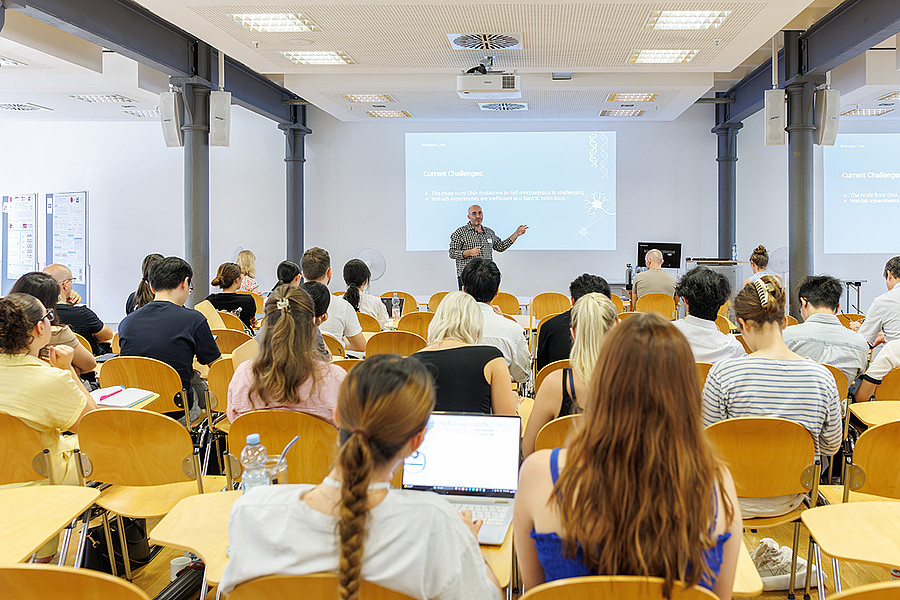
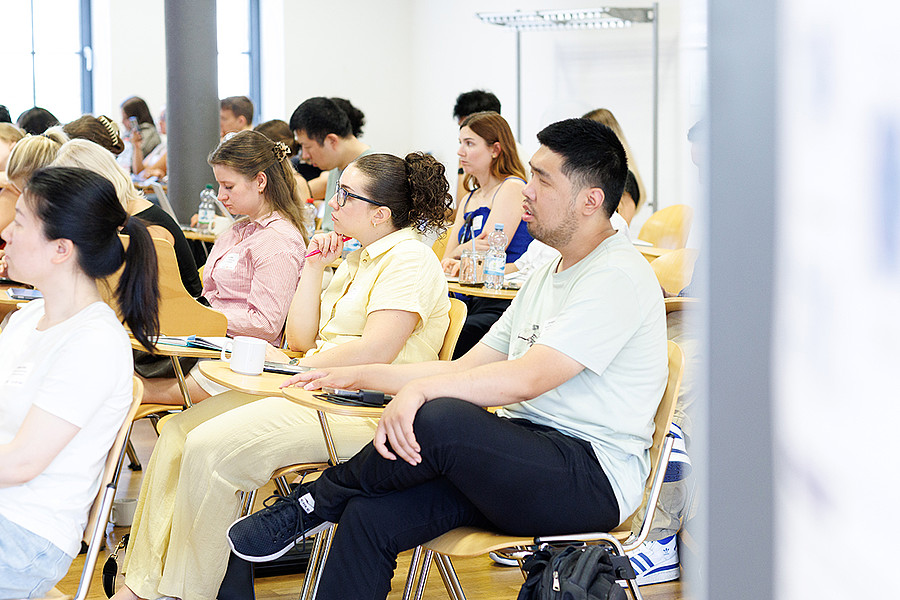
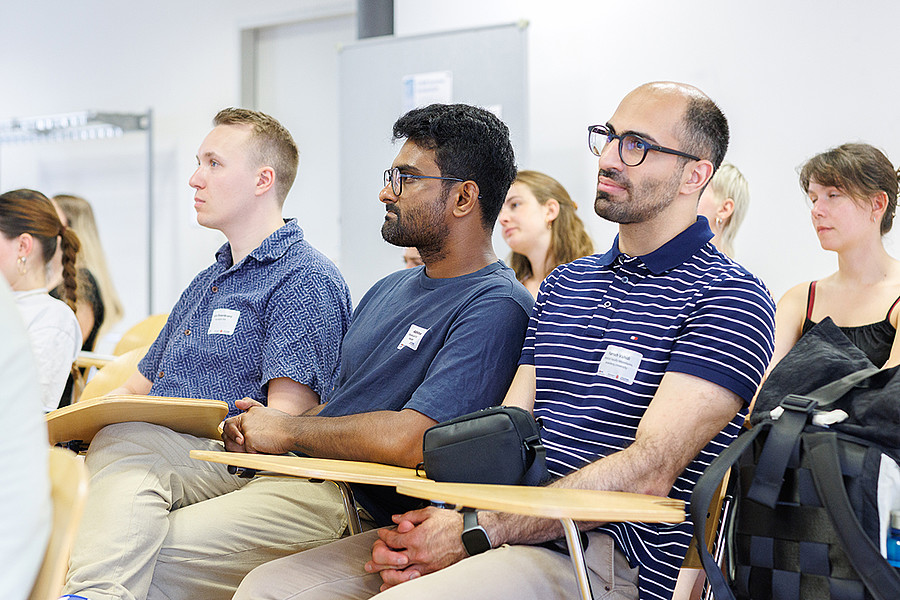
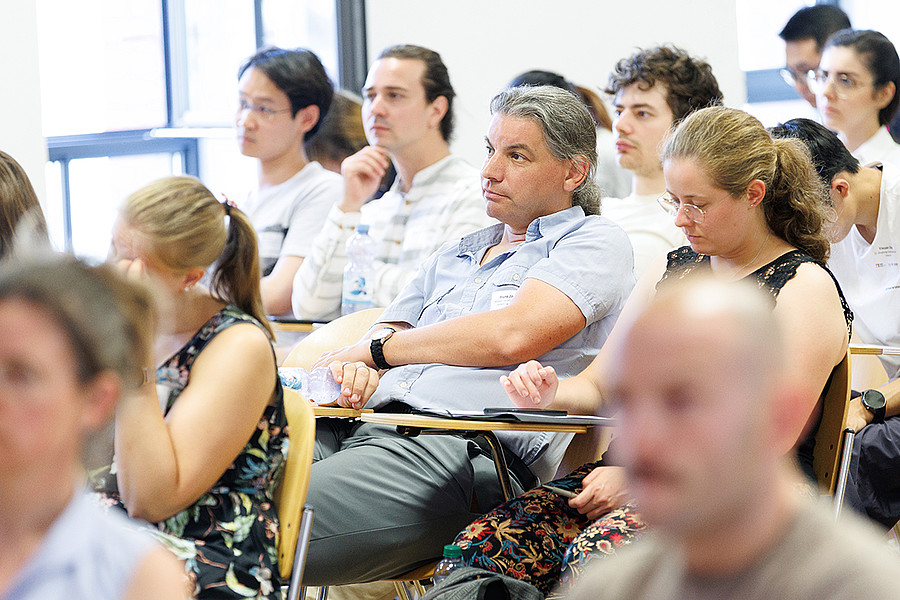
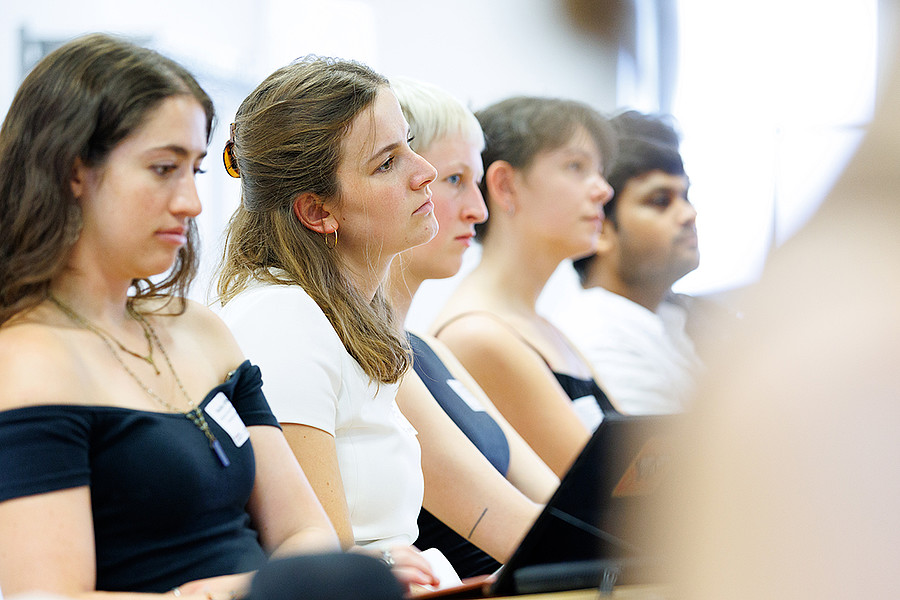
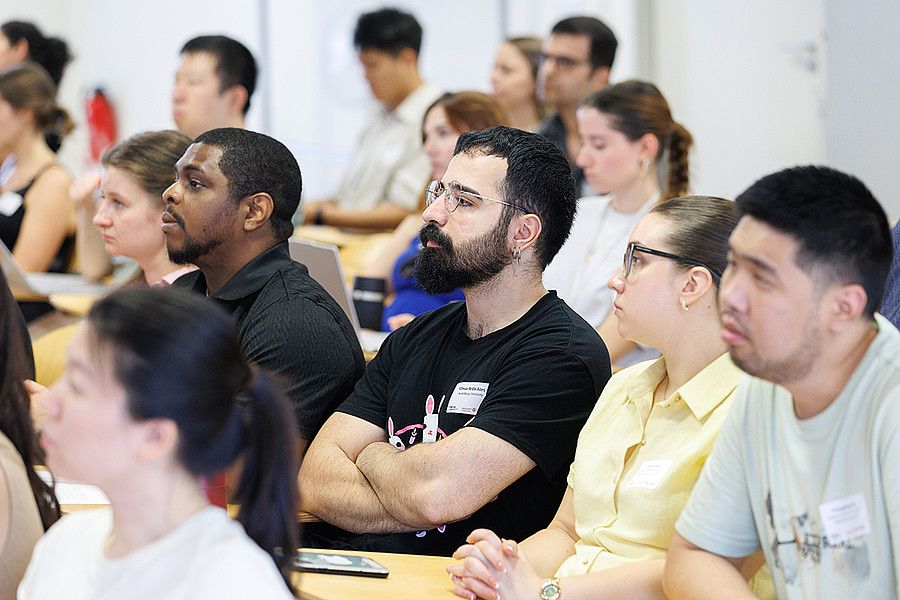
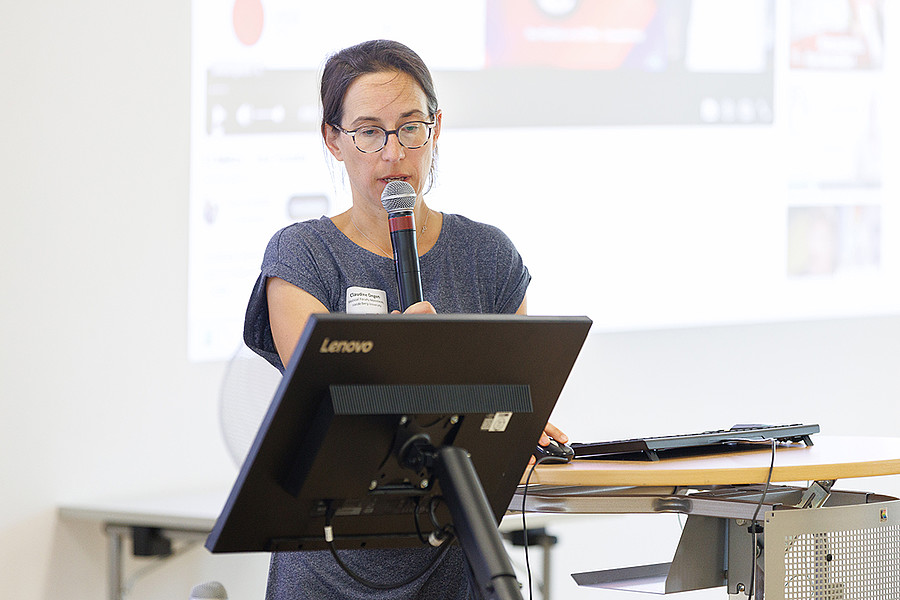
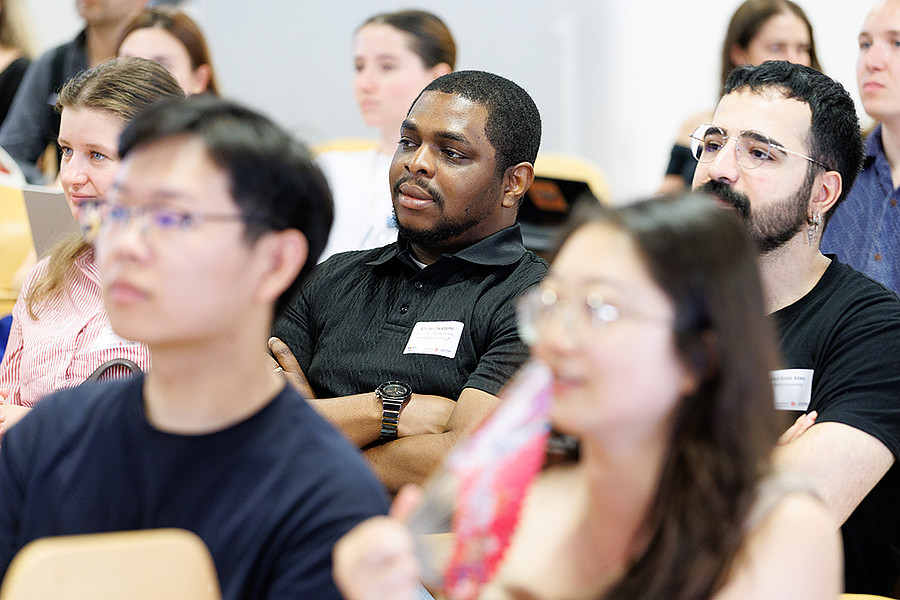
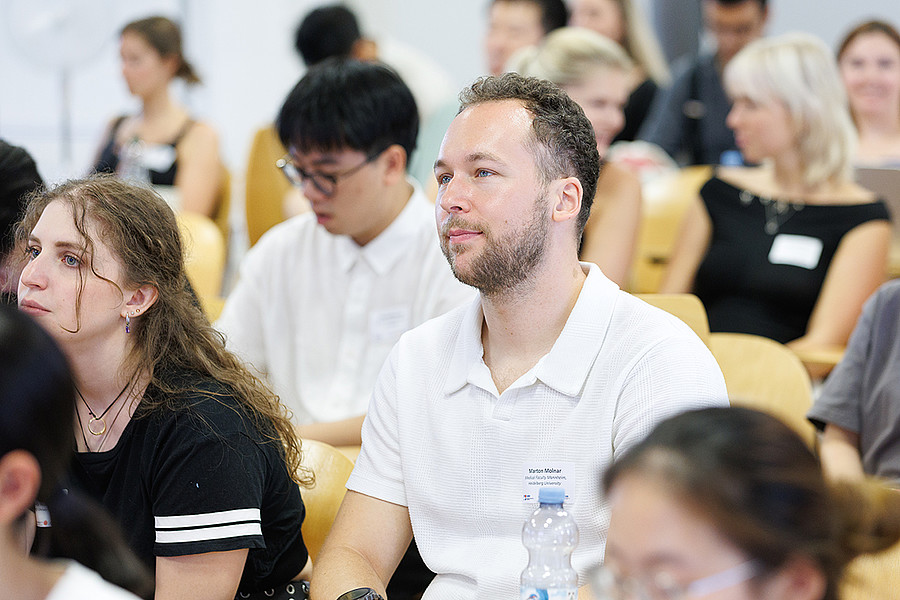
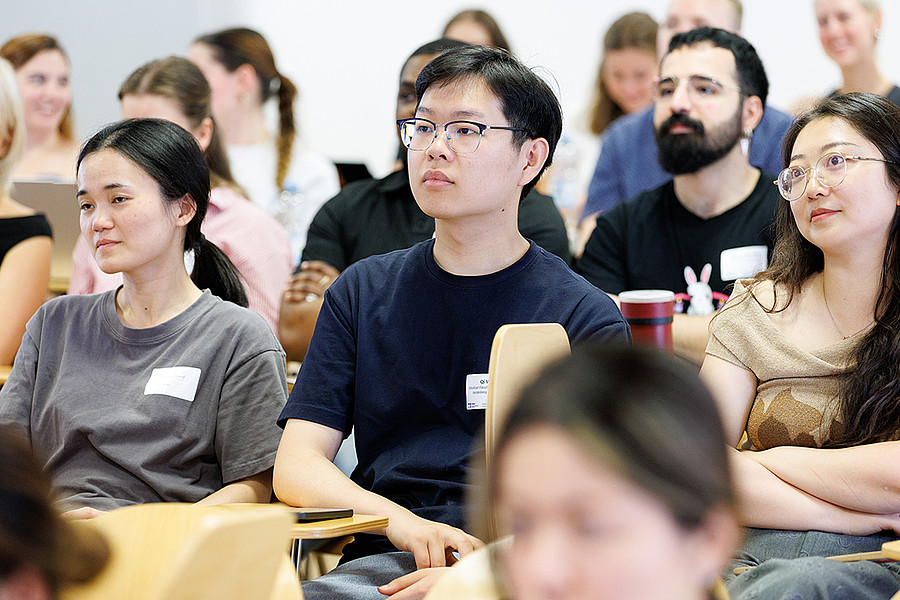
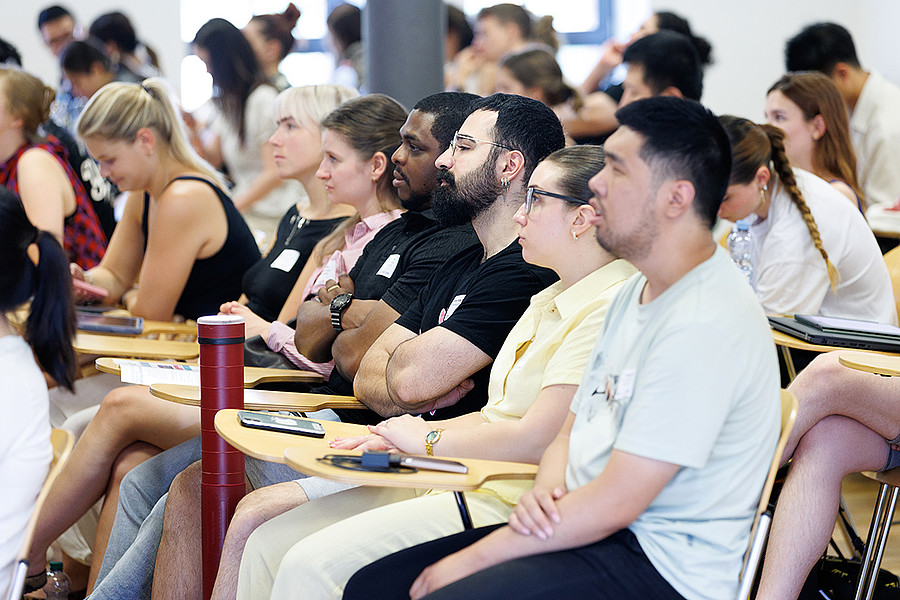
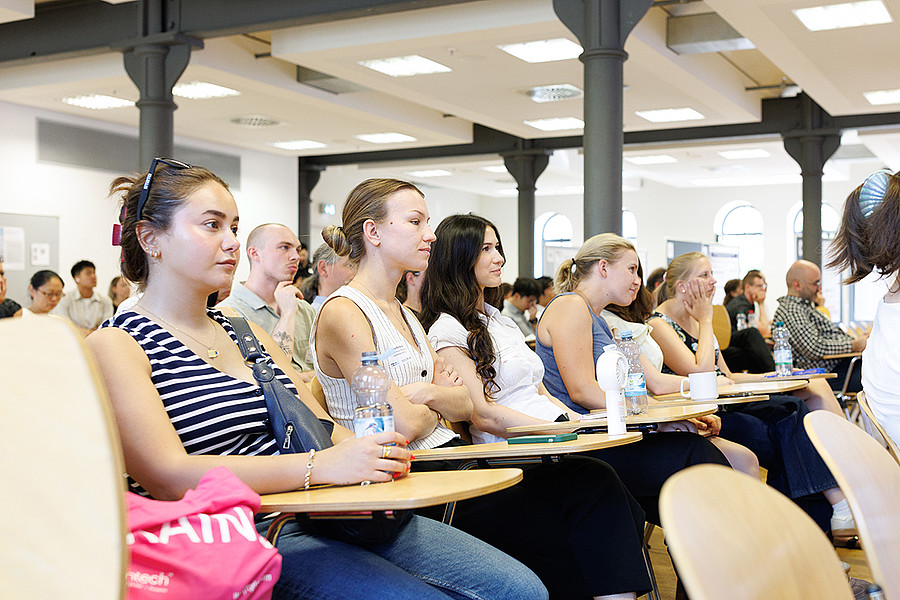
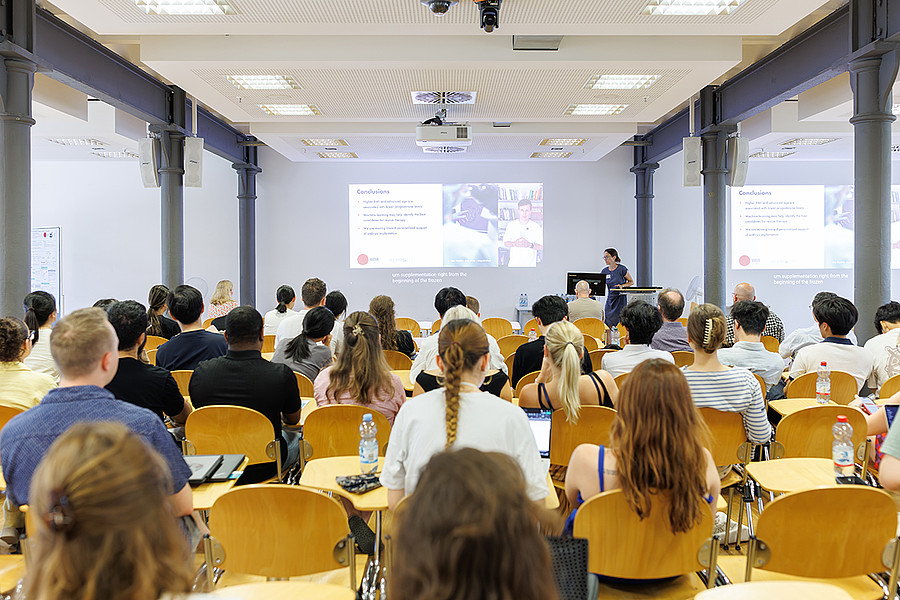
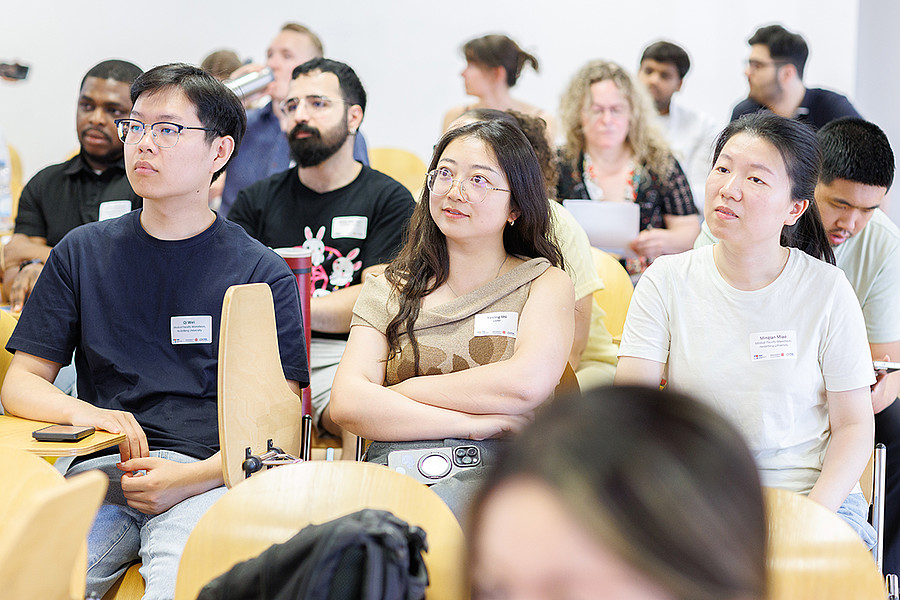
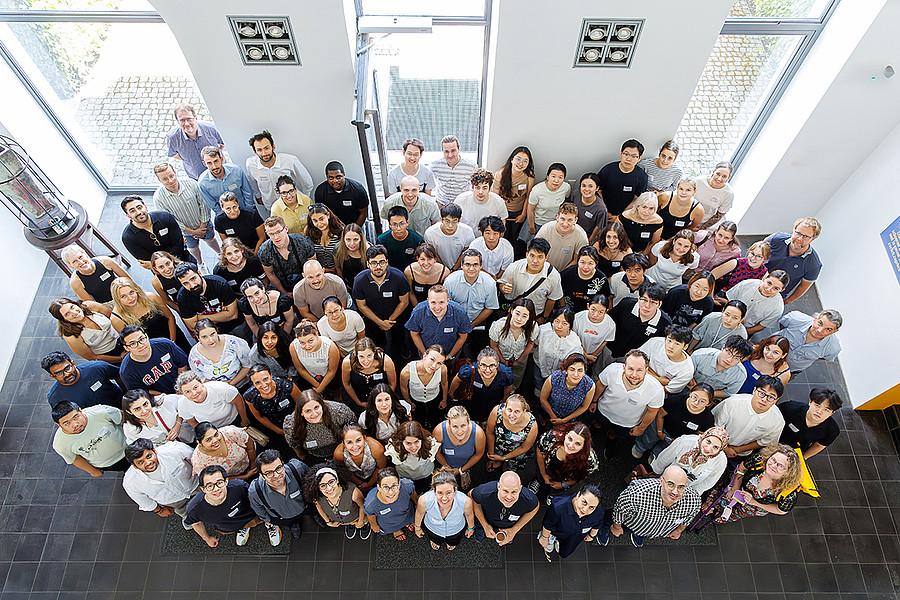
After last year’s hybrid Symposium-cum-Inauguration Ceremony, this year’s 3rd edition returned to a full-day program showcasing the exciting science going on in the laboratories and clinics of our faculty. It was rewarding to see that the symposium is gaining traction, with over 100 early career researchers from Master to postdoc level and a handful of dedicated group leaders attending.
Our student organising team had invited inspiring junior PIs for the impulse talk and the keynote lecture, and students had the opportunity to present their own research through posters or short talks.
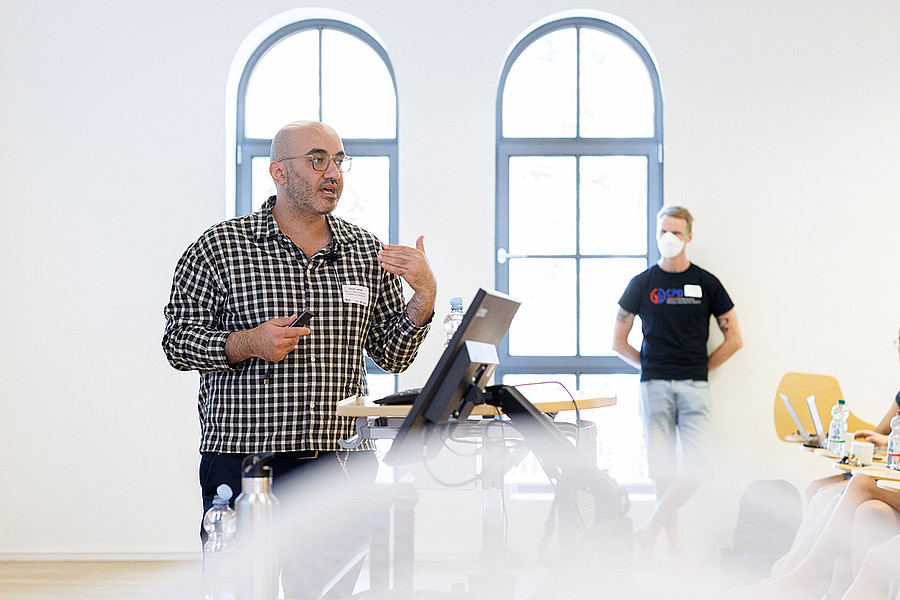
The day kicked off with an Impulse Talk by Dr. Matti T. J. Heino (University of Helsinki and Centre for Preventive Medicine and Digital Health, UMM), who made our heads spin with tales of complexity and interconnectedness in behavioural science. His advice to young scientists: read outside your field and diversify your interests. Learning the language of a new field takes time but can be deeply enriching for one’s own research and creativity.
The morning short talks provided snapshots into computational medicine and AI:
- Abhinay Vellala, 3rd year Dr. sc. hum. student at the Department of Radiology and Nuclear Medicine: Visualization of longitudinal genetic and therapy data in melanoma patients to support clinical interpretation
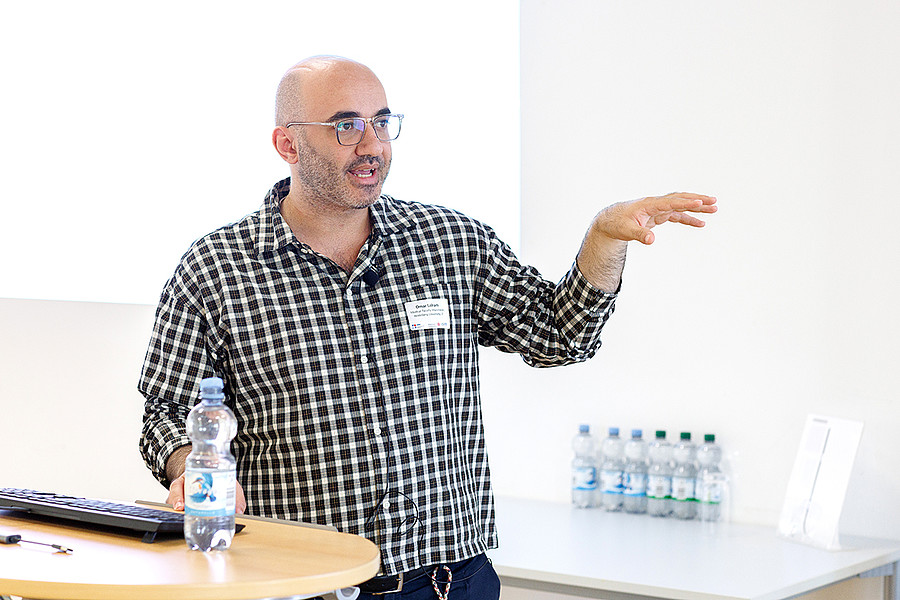
- Omar Laham, 1st year Dr. sc. hum. student at the Hector Institute for Translational Brain Research: Labcompass: a bioinformatics framework to guide wet-lab experiments
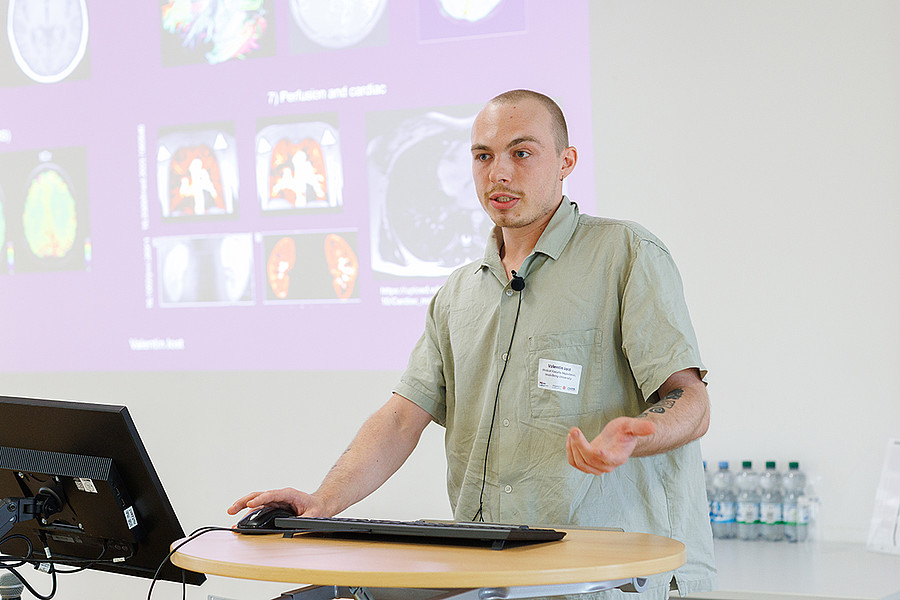
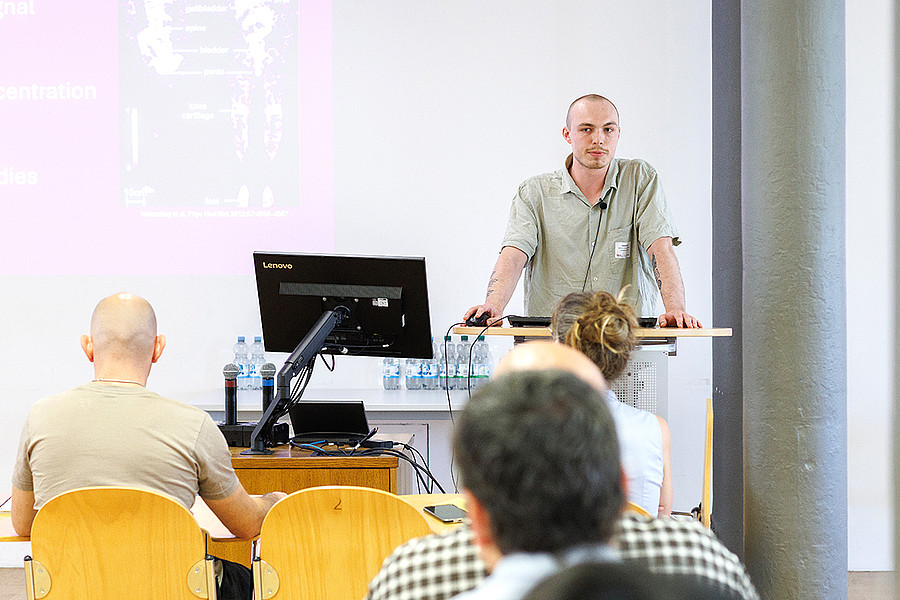
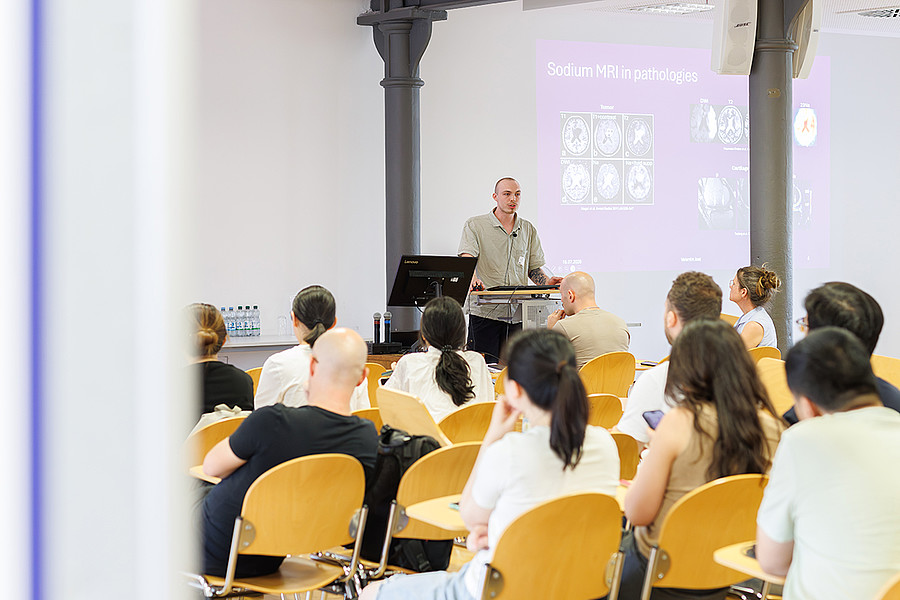
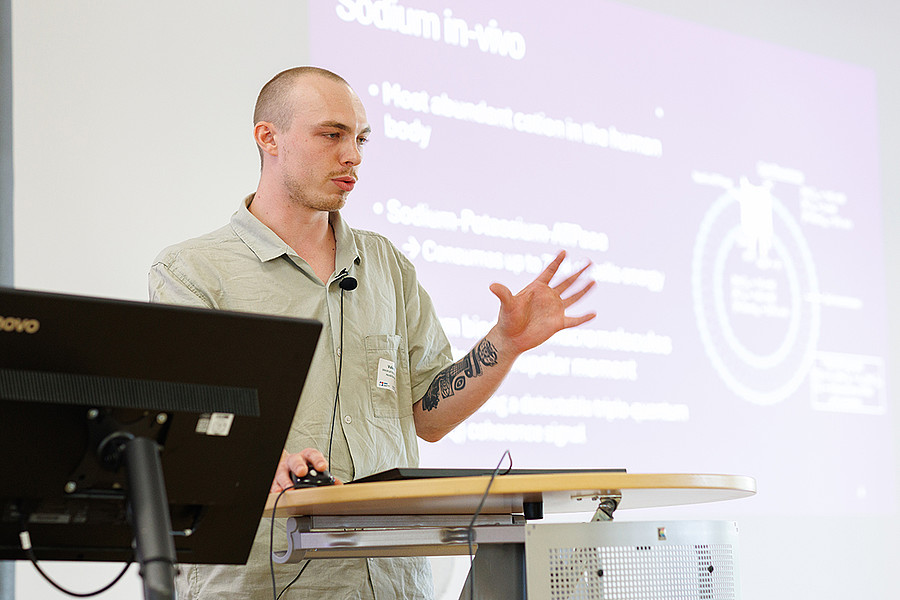
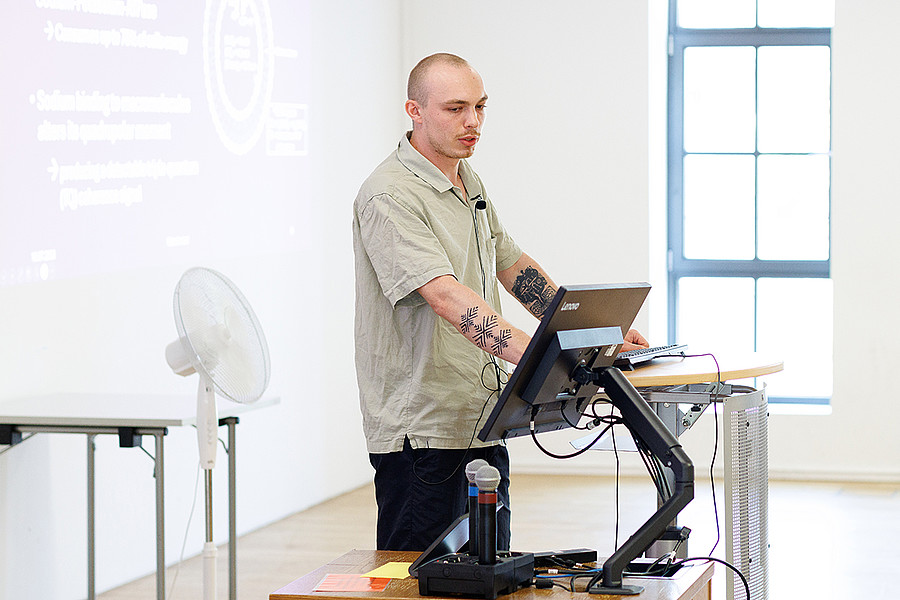
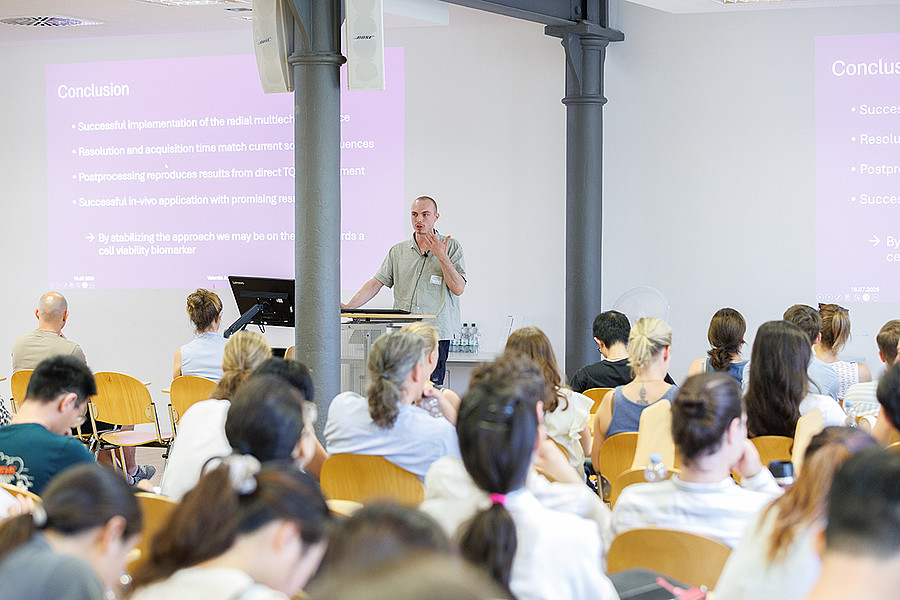
- Valentin Jost, 2nd year Dr. sc. hum. student at the MIISM: Development of a fast high resolution multi-quantum coherence nuclear magnetic resonance sequence for in-vivo imaging at 3T
- Ihor Pachkiv, medical student and researcher at the Medical Center Reprolife (Kyiv, Ukraine): Impact of mid-luteal progesterone and estradiol rescue therapy on pregnancy outcomes in frozen embryo transfer cycles
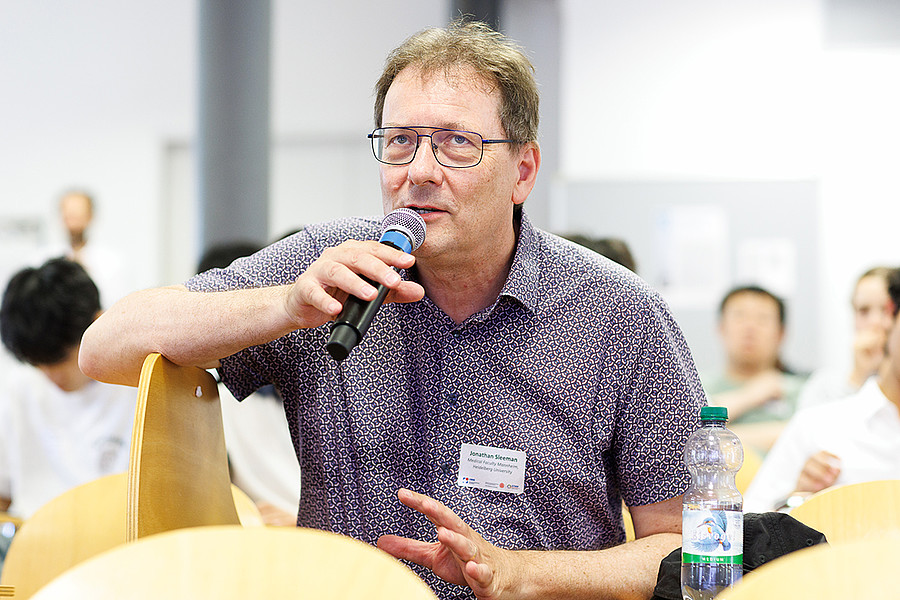
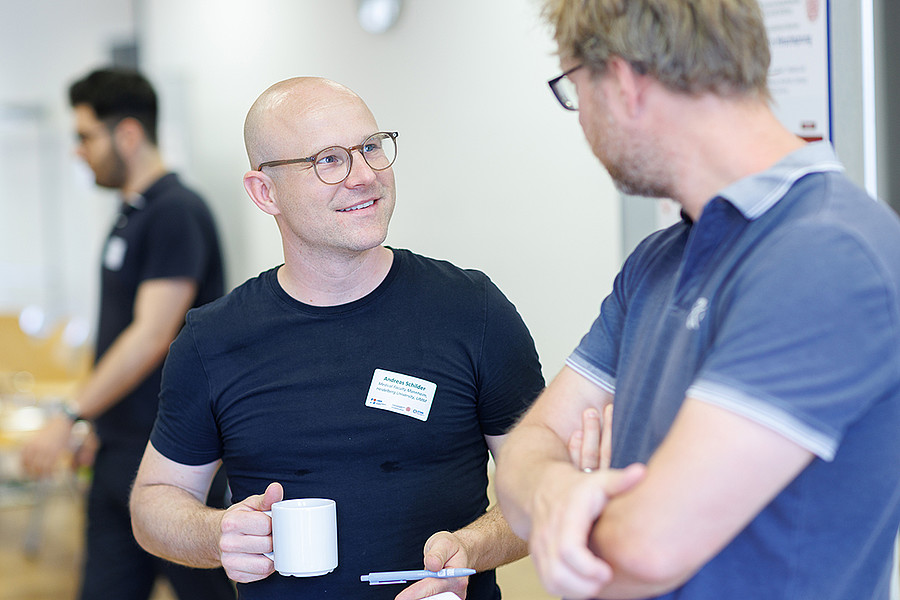
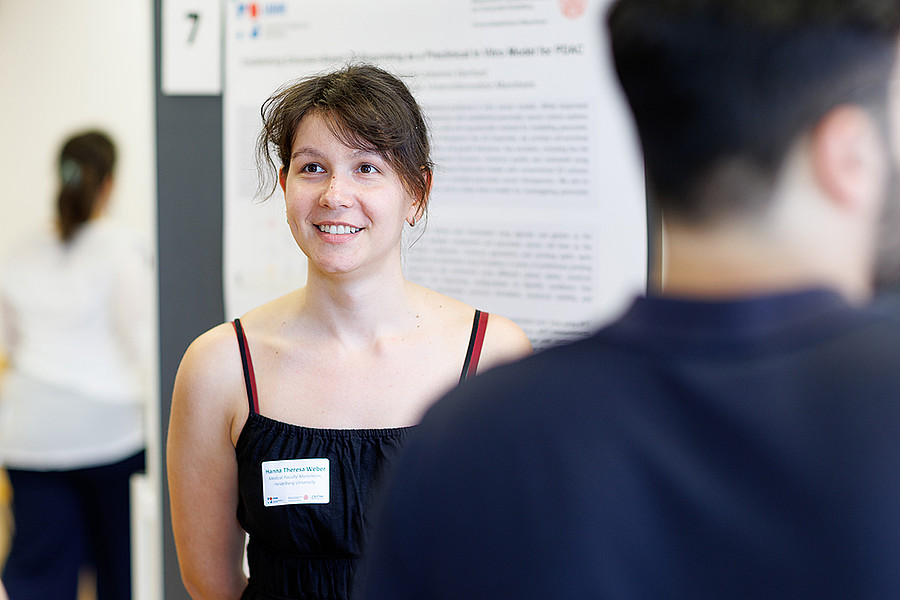
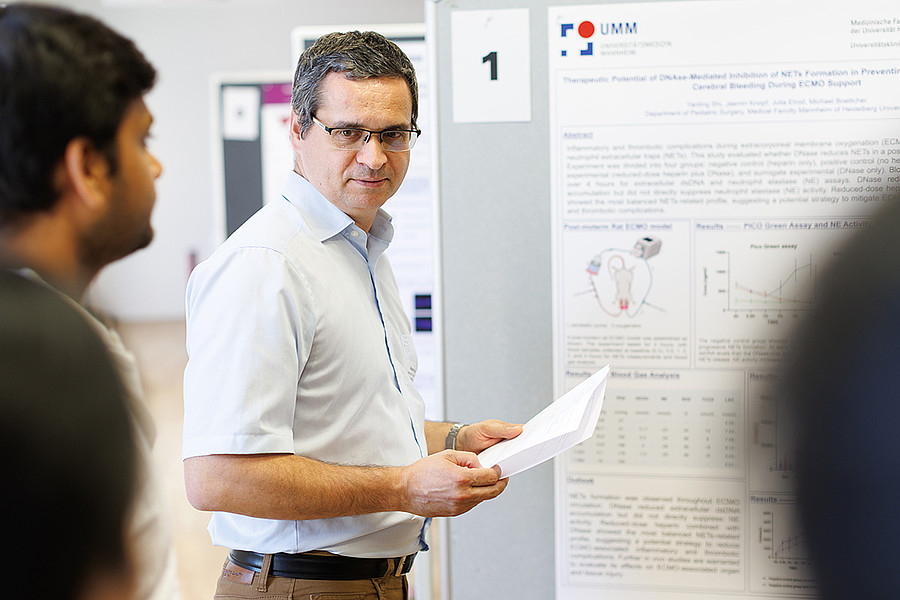
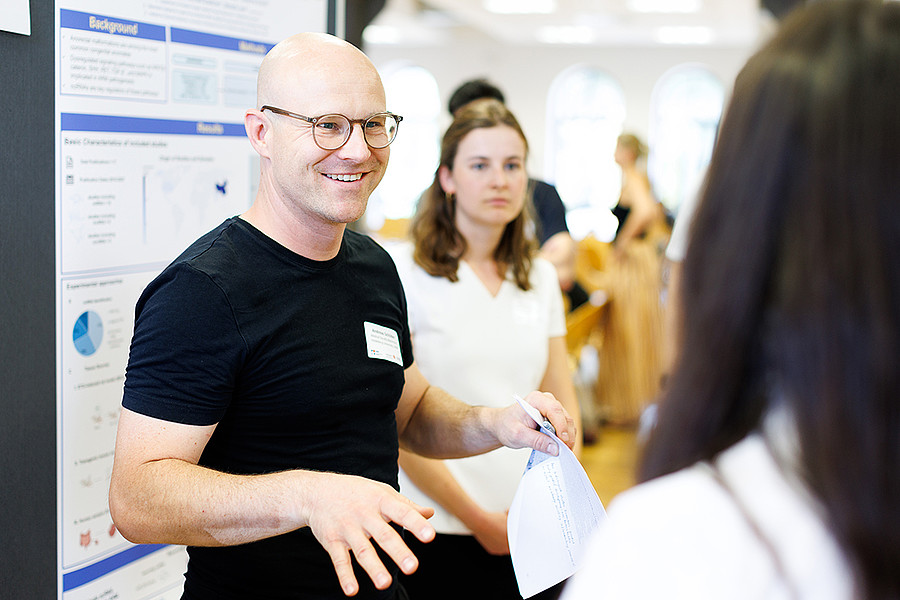
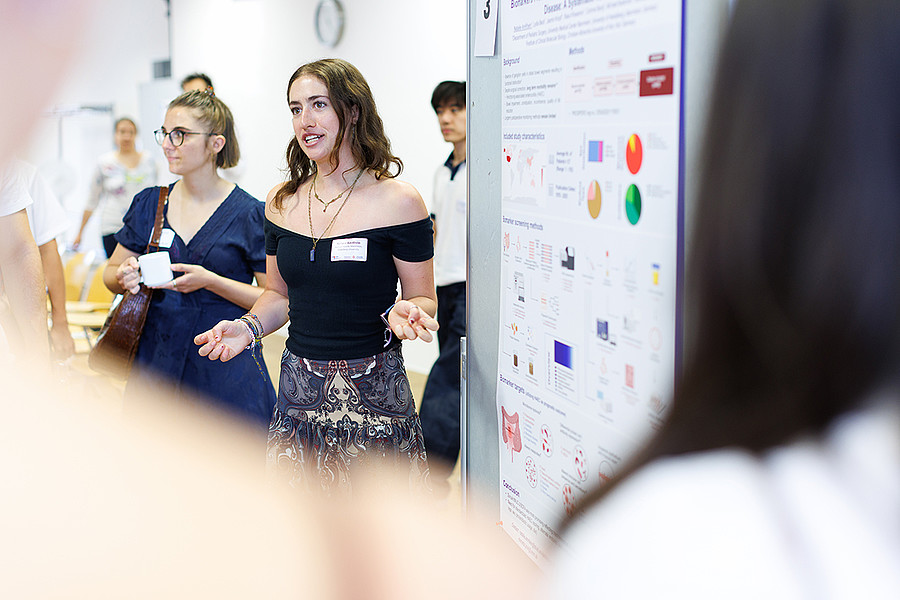
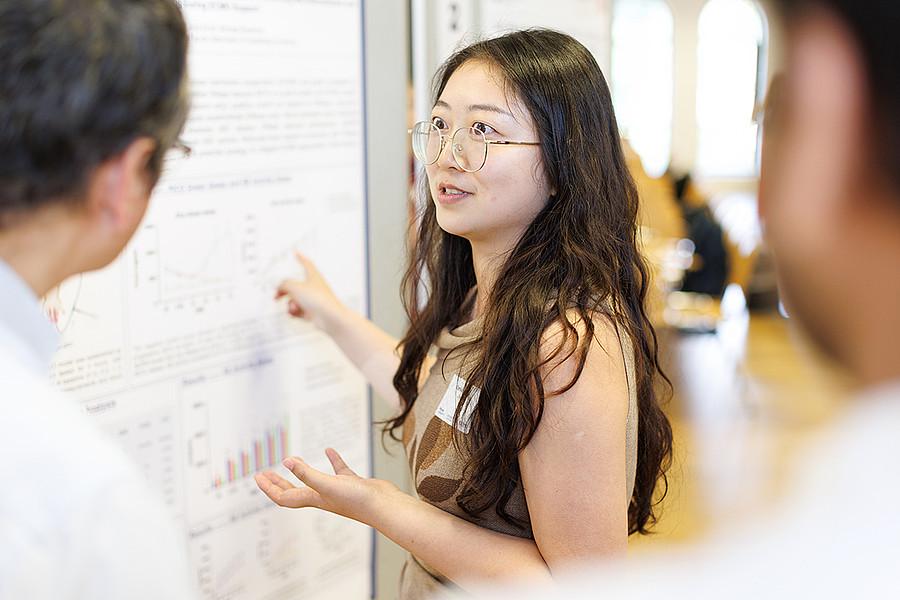
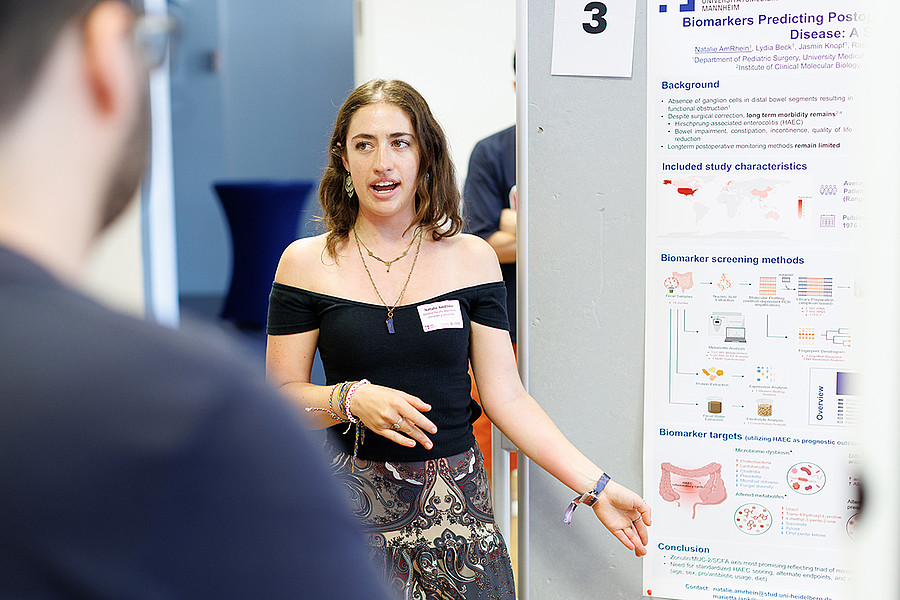
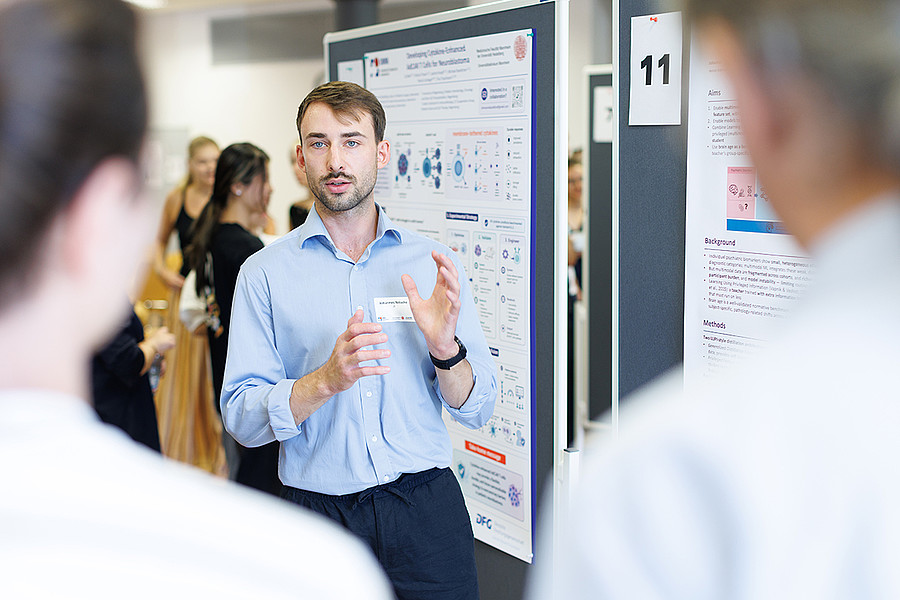
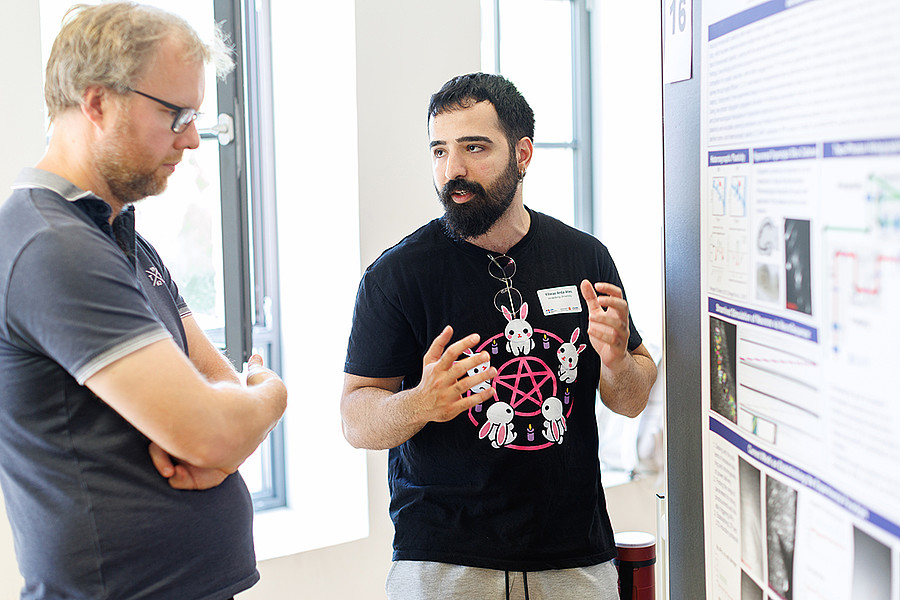
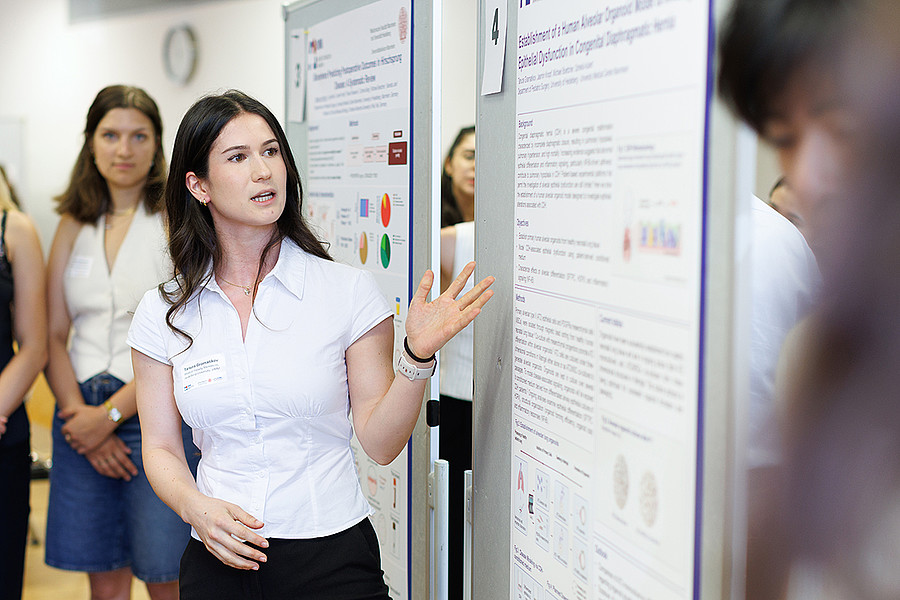
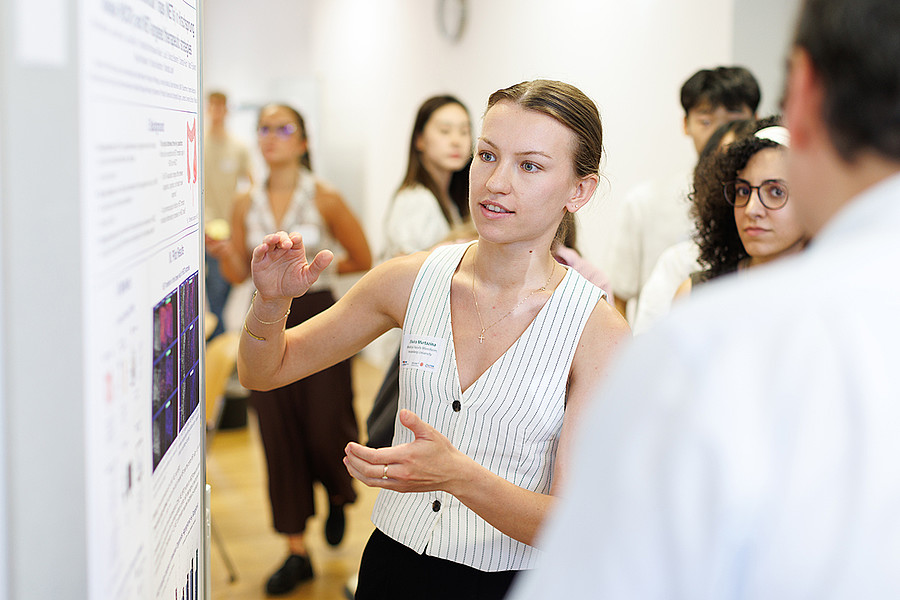
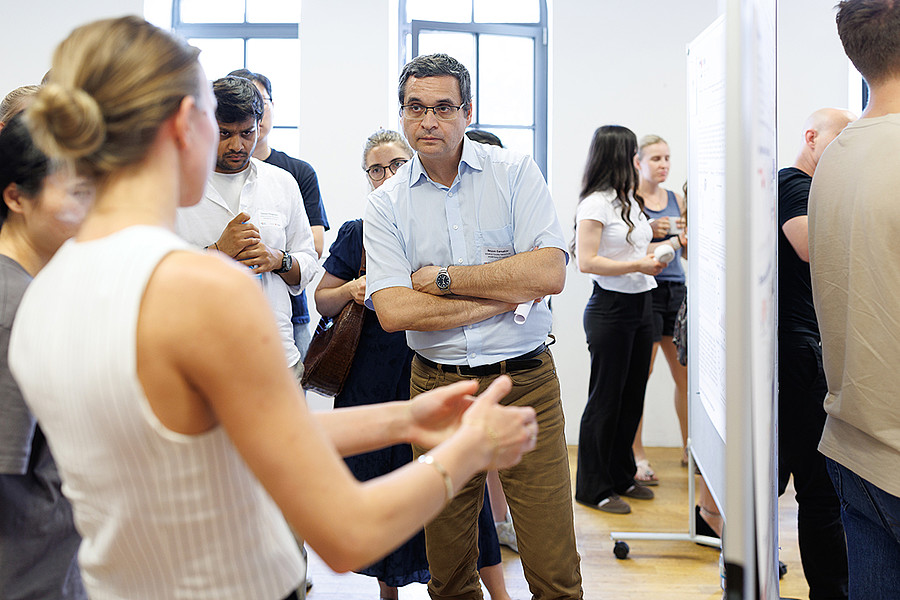
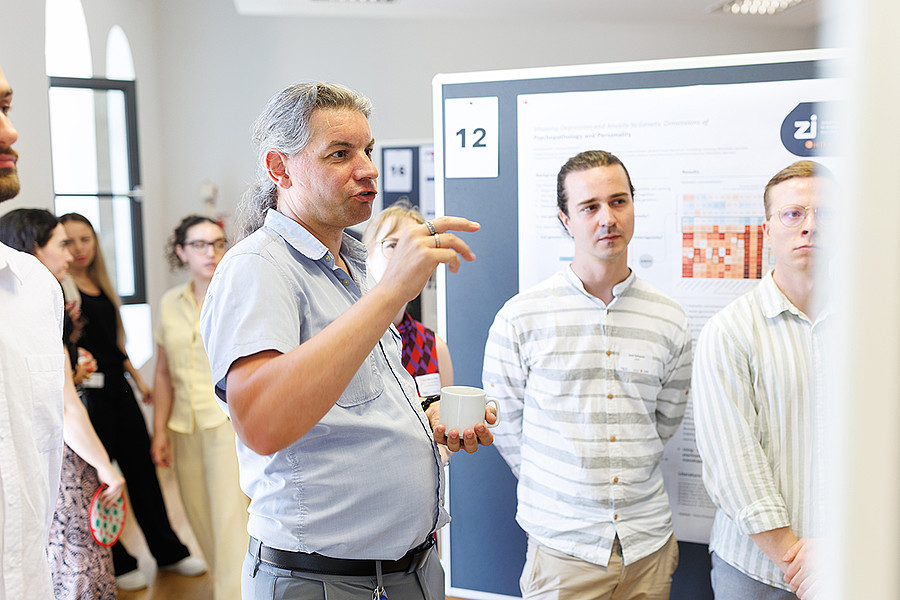
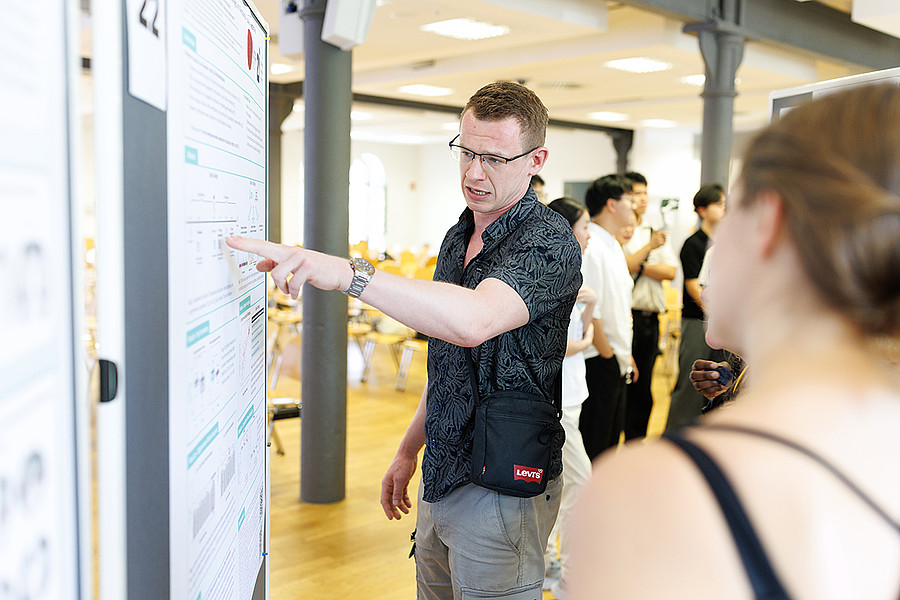
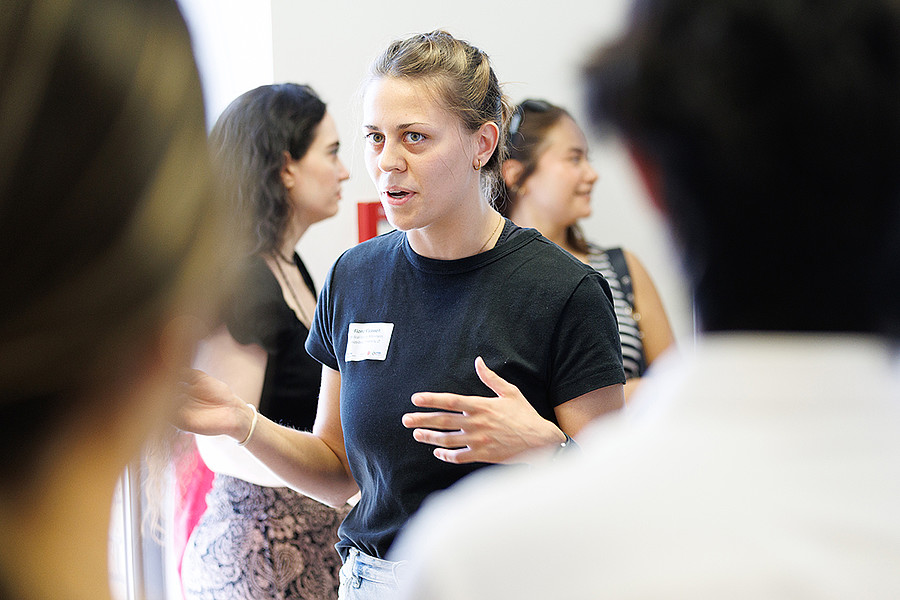
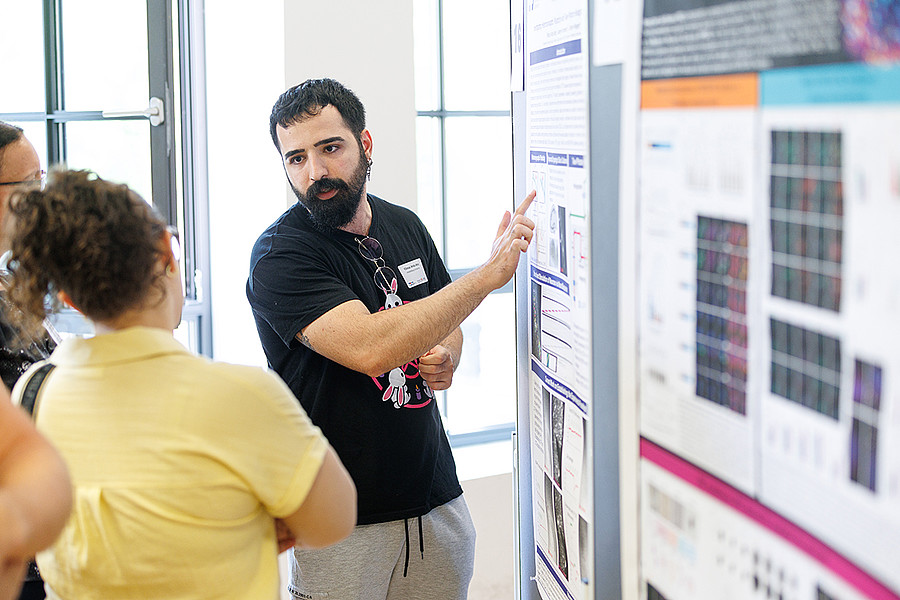
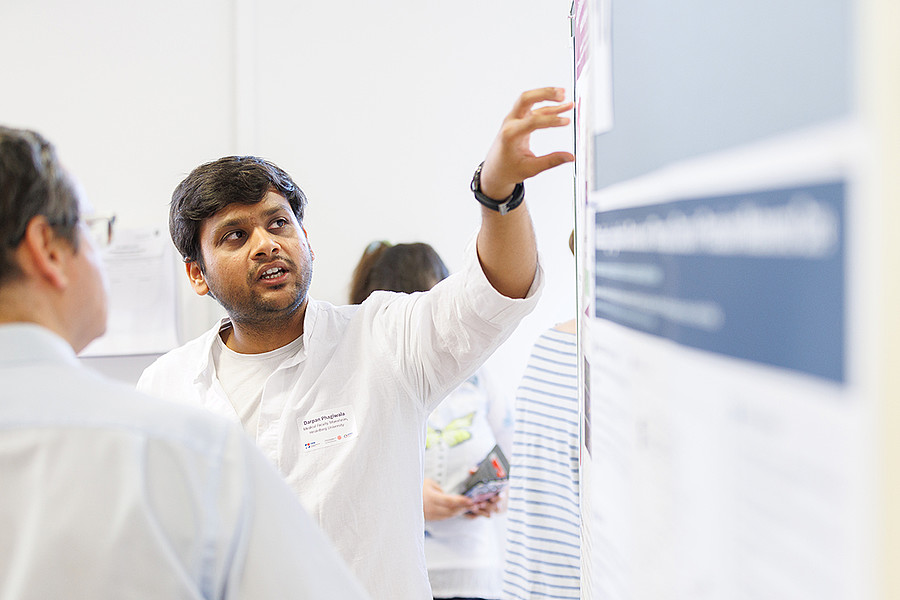
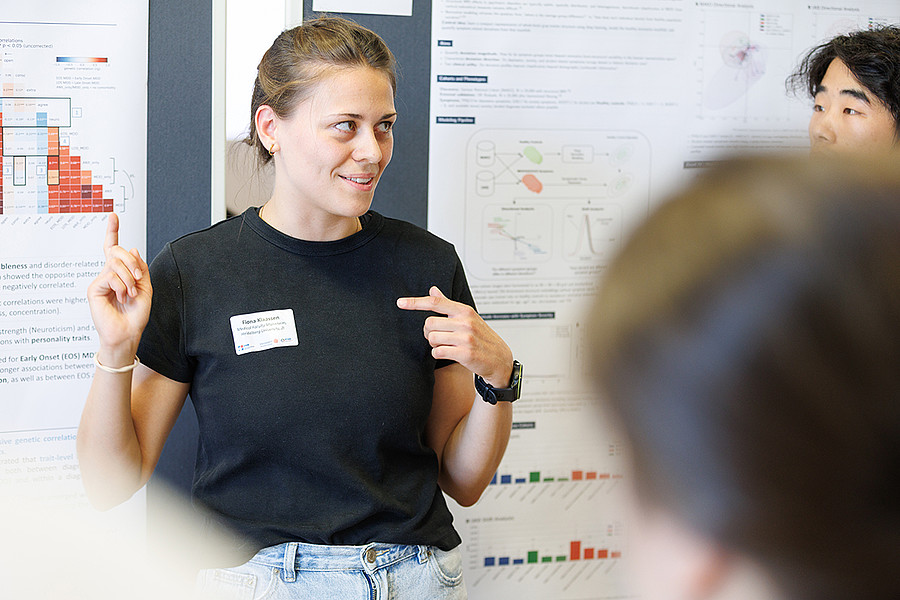
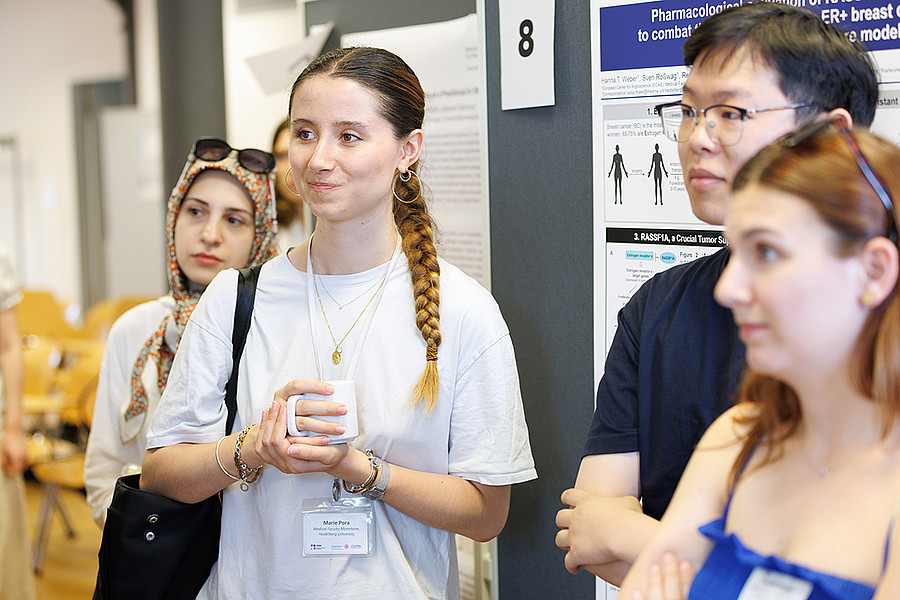
Then it was on to poster walks – a novelty of this year’s edition, aimed at increasing the visibility and opportunities for exchange for all poster presenters. We are particularly grateful to the PIs who led the walks and provided feedback to the presenters – Drs Andreas Schilder, Boyan Garvalov, and Jamila Andoh, as well as Profs. Frank Zöllner, Sabine Vollstädt-Klein, and Jonathan Sleeman.
After the obligatory group photo and a short lunch, the second poster session created further opportunities for participants to connect and discuss research and delve deeper into their favourite posters.
The afternoon short talks moved to the field of behavioural and clinical neurosciences:
- Milad Amini Masouleh, 1st year Dr. sc. hum. student at the Department for Psychosomatic Medicine and Psychotherapy (ZI): Aggression induced by acute threat and decision-making dynamics: a modified ultimatum game paradigm in borderline personality disorder.
- Shadab Javanmard, 1st year Dr. sc. hum. student at the Department for Psychosomatic Medicine and Psychotherapy (ZI): Associations between childhood maltreatment, irritability, and overt aggression: the role of gender
- Lotte Riehl, 1st year Dr. med. student at the department for Addictive Behaviour and Addiction Medicine, ZI: Effects of transcranial direct current stimulation on inhibitory control, craving, and relapse in alcohol use disorder: a randomized controlled EEG study.
- Adeoye Ewedemi, 3rd year Dr. sc. hum. student affiliated with the IZN program (Interdisciplinary center for neuroscience): Investigating the neural basis of reward and aversion discounting: the impact of anterior insula manipulation and alcohol dependence.
- Dr. Ketrin Dimco, postdoctoral researcher at the Division of Neurodegenerative Disorders, Department of Neurology: Protein quality control dysfunction and cell-type specific gene expression trajectories in MYORG-associated primary familial brain calcification.
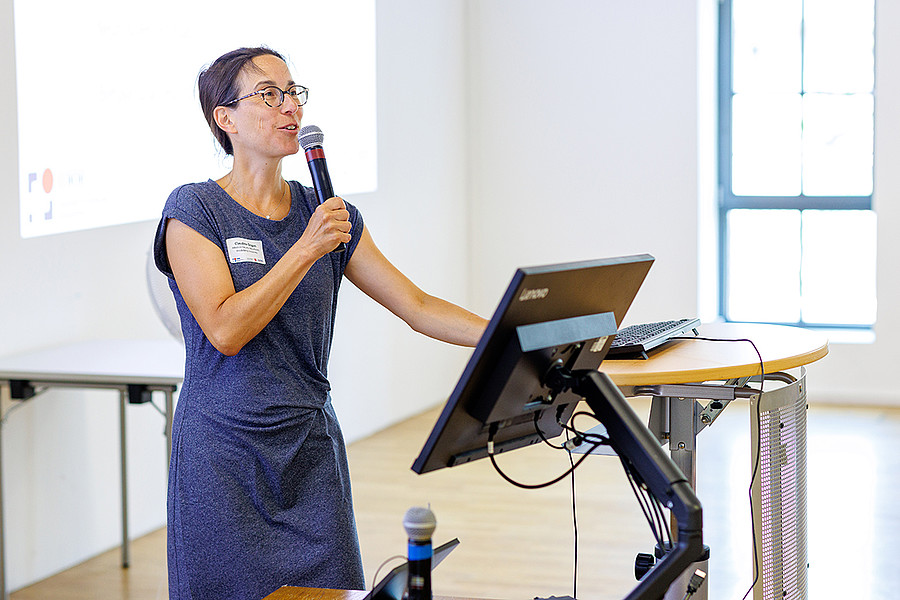
The neuroscience short talks were a perfect primer for the keynote lecture. We were exceptionally lucky to have Dr. Lena Kutscher, Emmy Noether Junior Group Leader at the KiTZ, with us. Lena not only gave an accessible account of her research into the developmental origins of medulloblastoma but also candidly shared the many failures along her successful career as a junior PI. Her encouraging advice: build resilience, don't read too much into bad reviews, and keep trying!
Abstract Booklet

The full program, all abstracts, poster numbers, and presenting information remain available in the downloadable ABSTRACT BOOK.
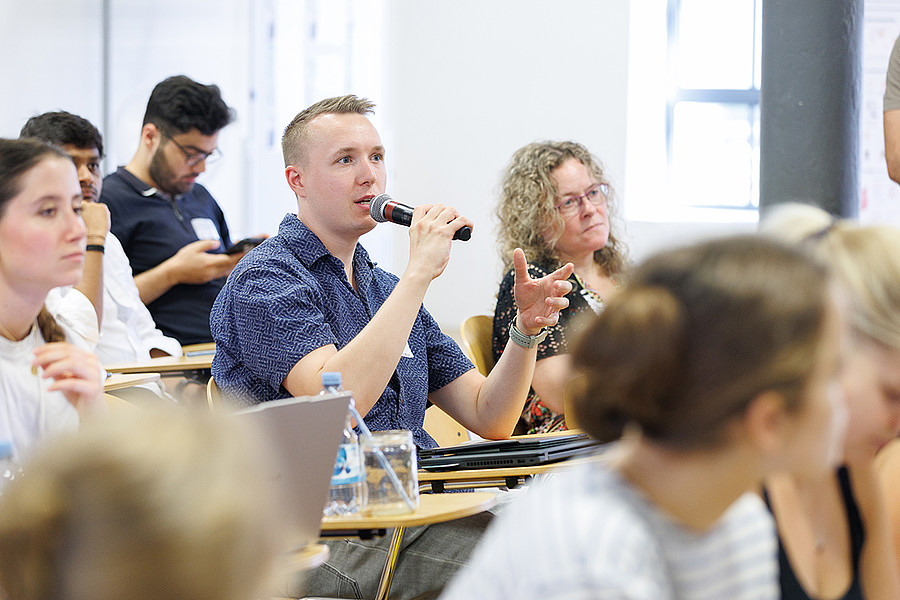
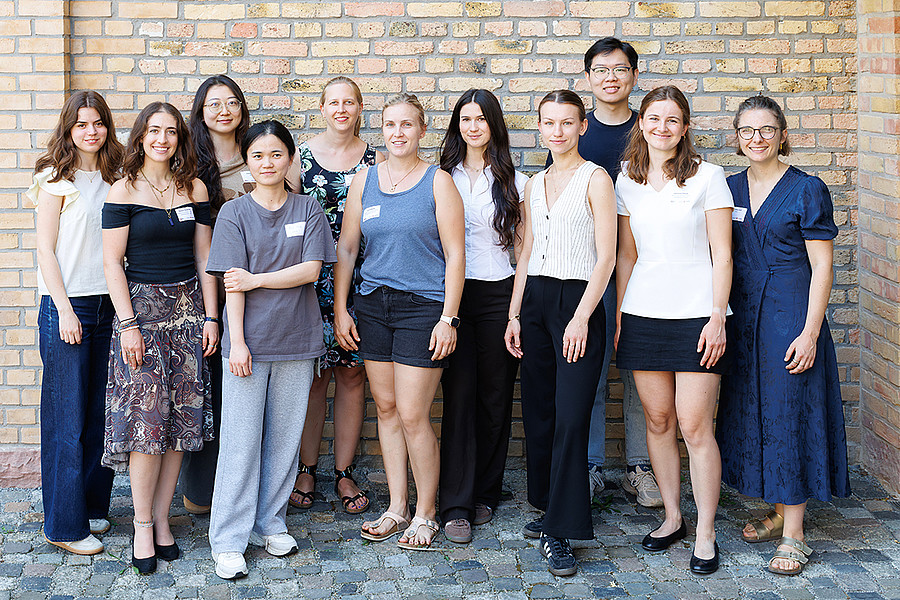
A heartfelt Thank You to all participants – speakers, poster presenters, chairs, and all attendees – for the exceptional research insights, thoughtful questions, and engaging discussions. Special thanks to our STMM members' representatives and organising team for their time and enthusiasm in shaping this event! We look forward to seeing everyone again at the STMM Summer Symposium 2027 for another exciting round of scientific exchange and collaboration!
Gallery