Sie befinden sich hier
Inhalt
Date: 14.04.2025
Mannheim, April 10-11, 2025 – The Hertie Network Symposium, hosted by the Hertie fellows of Heidelberg/Mannheim (Dr. Abigail Suwala, Dr. Matthia Karreman, PD Dr. Dr. Lukas Bunse, PD Dr. Tobias Kessler), took place in the historic MARCHIVUM of Mannheim on April 10-11, 2025. The spring gathering focused on the latest advances in neurology and the translation of innovative technologies into clinical applications, under the theme Technology Advances and Translation in Neurology.
The symposium brought together current and former Hertie fellows from six sites of the Hertie Foundation's Network of Excellence in Clinical Neuroscience, as well as a diverse group of researchers, clinicians, and industry experts. This provided a vibrant platform for networking, knowledge exchange, and collaboration. The event kicked off with a welcome speech by Prof. Dr. Michael Platten, spokesperson of the Mannheim site, and Dr. Astrid Proksch, executive director at the non-profit Hertie Foundation, setting the stage for two days of insightful presentations, engaging discussions, and groundbreaking discoveries in clinical neuroscience.
Innovative Research and Cutting-edge Technologies
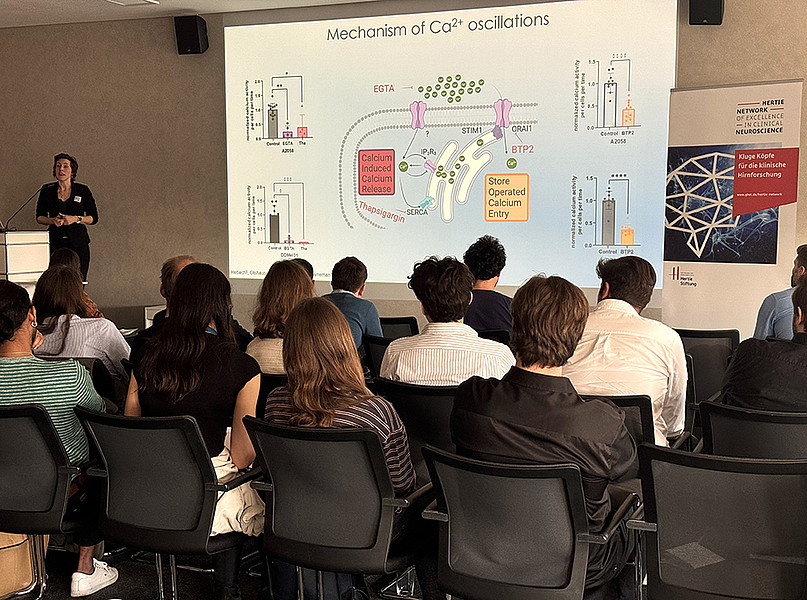
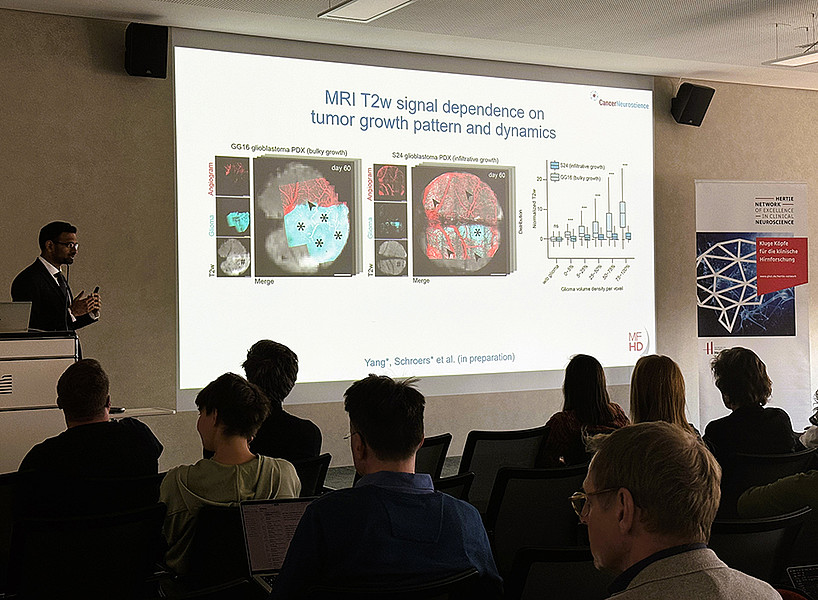
The first day of the symposium featured a series of stimulating presentations from Hertie Fellows. These included a talk by Dr. Dr. Sergio Castro-Gomez from Bonn, who explored the spread of inflammasome aggregates in brain conditions. Dr. Matthia Karreman from Heidelberg delved into cancer networks in brain metastases, shedding light on potential therapeutic targets. Guest speaker Dr. Varun Venkataramani, group leader in the Department of Functional Neural Anatomy at University Hospital Heidelberg, presented his ongoing work on brain cell trafficking.
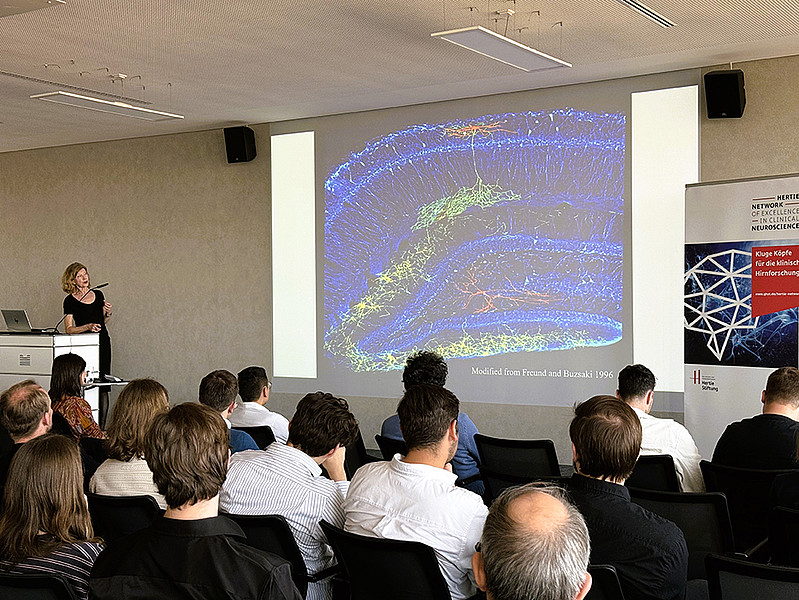
The afternoon session featured a keynote by Prof. Dr. Hannah Monyer, Head of the Department of Clinical Neurobiology at the Medical Faculty of Heidelberg University and professor at the German Cancer Research Center (DKFZ), who introduced A new approach to the treatment of neurodegenerative diseases.
The day concluded with a guided tour of the MARCHIVUM, followed by a social dinner, where fellows and speakers shared ideas in a more relaxed setting.
Industry Collaboration and Translational Research
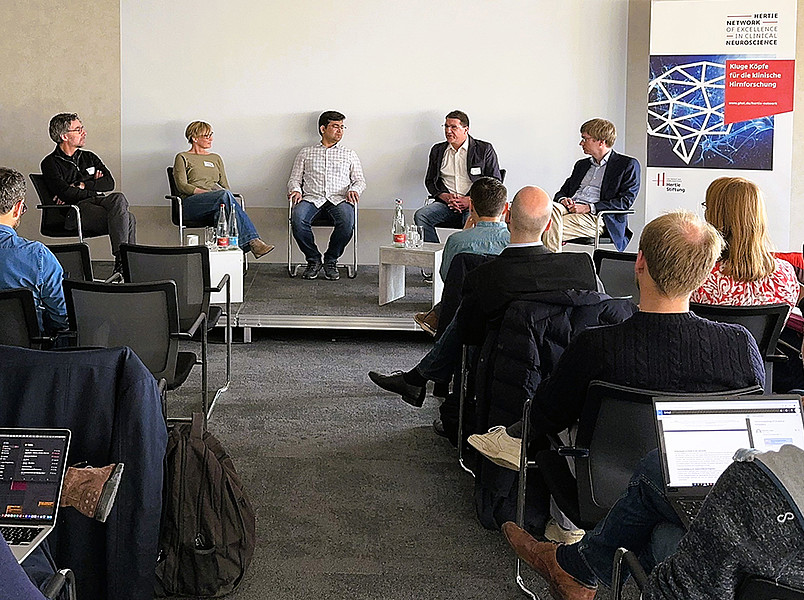
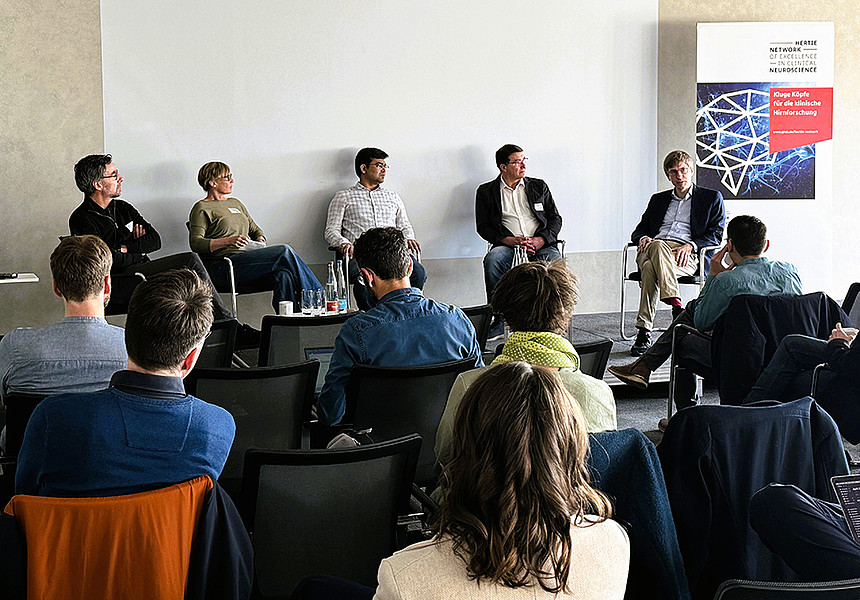
Day two began with an insightful podium discussion on “Turning Research Ideas into Business.” The session, moderated by PD Dr. Tobias Kessler, included representatives from Epignostix (Prof. Dr. Felix Sahm), FundaMentalPharma (Prof. Dr. Hilmar Bading), PlexoBio (Dr. Indrabahadur Singh), BioRN (Dr. Julia Schaft), and TCellTech (Prof. Dr. Michael Platten), who shared their experiences on transforming research into successful business ventures. The discussion highlighted the importance of interdisciplinary collaboration and the role of academic-industry partnerships in accelerating medical innovations.
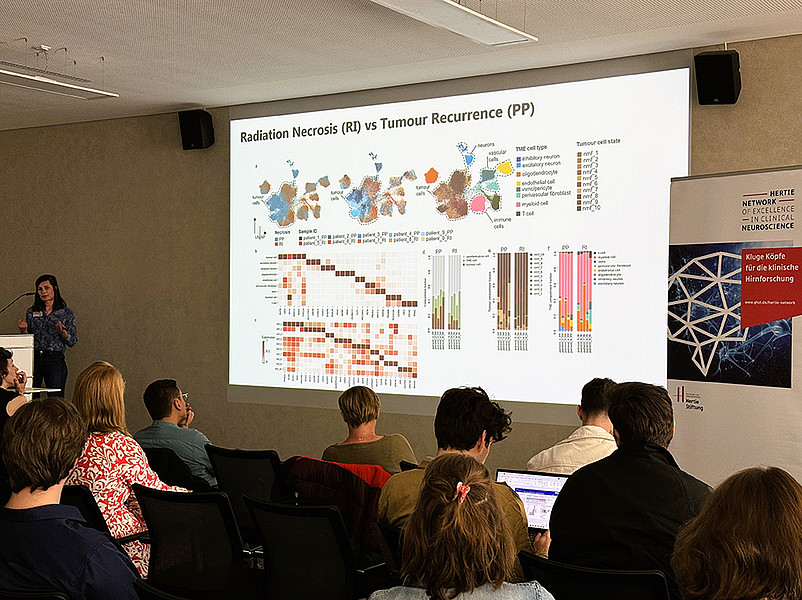
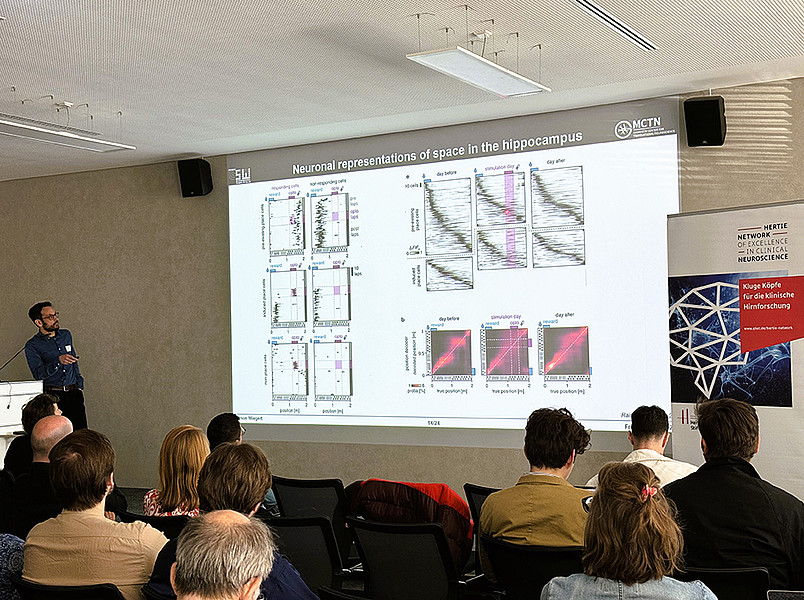
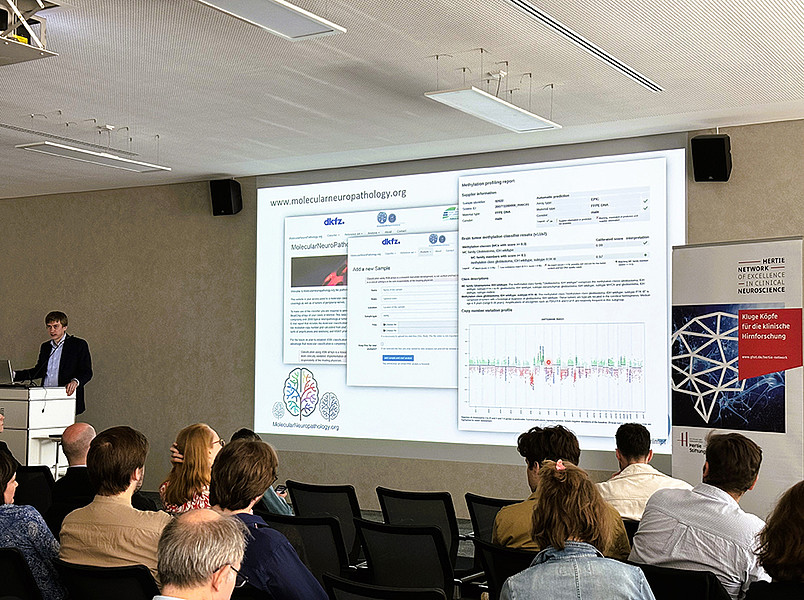
The symposium’s fellow presentations continued with Prof. Dr. Michael Wenzel’s talk on photoactivatable drugs for neurological disorders, followed by Dr. Abigail Suwala from Heidelberg, who discussed the power of spatial transcriptomics in improving diagnostics. Guest speaker Prof. Dr. Simon Wiegert, head of the Department of Neurophysiology at the Medical Faculty Mannheim, presented on all-optical brain circuit investigation, demonstrating the immense potential of technology in brain research. Later, Prof. Dr. Dr. Felix Sahm, head of the Section of Molecular Neuropathology at the Institute of Pathology at Heidelberg University Hospital, gave a keynote on From Bench to Business: Developments in Neuropathology, drawing attention to the intersection of clinical research and real-world applications in neuropathology.
Translational Research and Clinical Trials
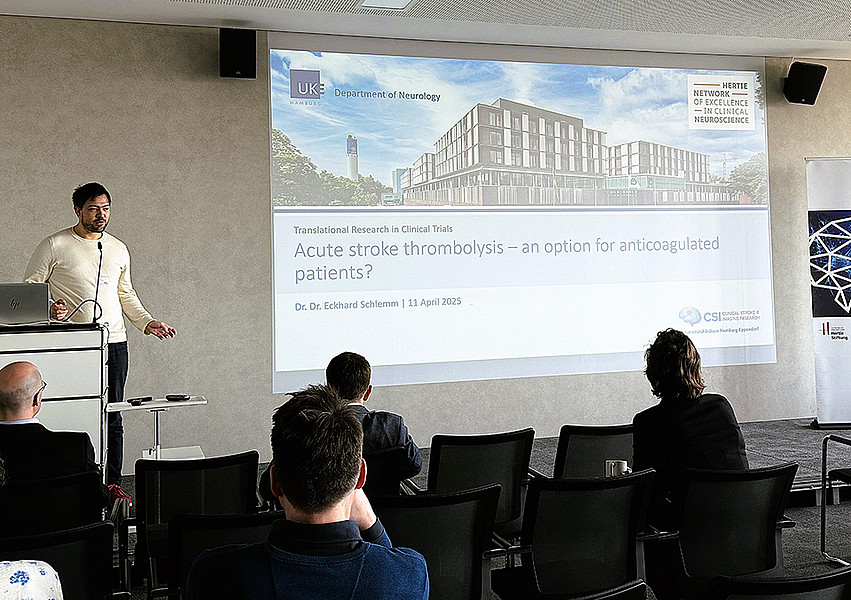
In the final session, several Hertie fellows presented their latest work in translational research. Dr. Dr. Eckhard Schlemm from Hamburg discussed acute stroke thrombolysis as an option for anticoagulated patients, while guest speaker Dr. Philip Melton from Ludwig-Maximilians-Universität in Munich provided updates on the CANASTA trial investigating a novel anti-inflammatory treatment for stroke. PD Dr. Tobias Kessler from Heidelberg shared insights into cfDNA sequencing from cerebrospinal fluid for brain tumor classification, while Dr. Stephan Lauxmann from Tübingen highlighted the role of ion channels in epilepsy and their potential in targeted treatments.
Networking and Speed-Dating
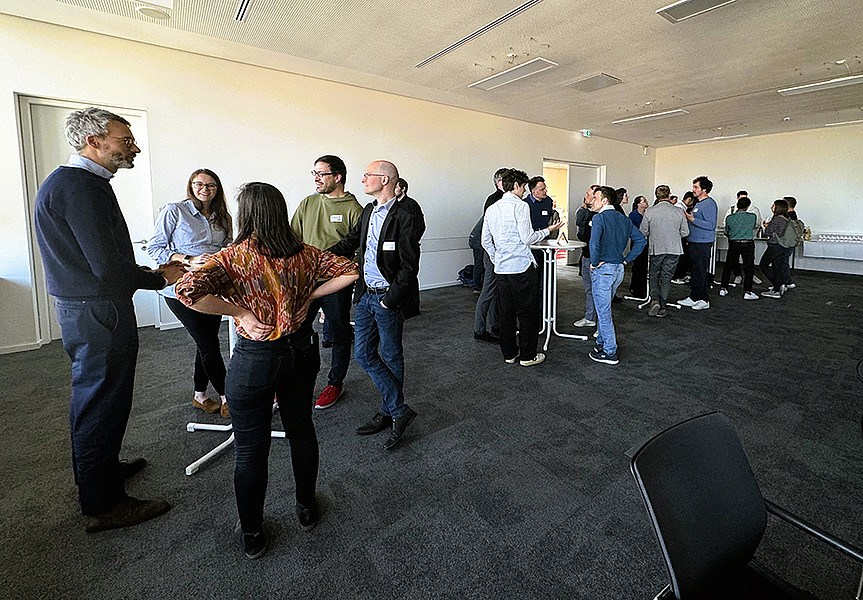
A unique feature of the Hertie Symposium was the Speed-Dating session, which allowed fellows, site spokespersons, and alumni to engage in dynamic, group-based discussions. This fostered brief but meaningful conversations on a wide range of topics, from research challenges to career advice. This format provided an informal yet effective way to connect and build relationships across different stages of academic and professional careers.
The symposium concluded with closing remarks and a promise to continue advancing the frontiers of clinical neuroscience. With its emphasis on networking and collaboration, cutting-edge research, and translational innovation, the 2025 Hertie Network Symposium set the stage for future breakthroughs in the field.
Impressions of the Event